
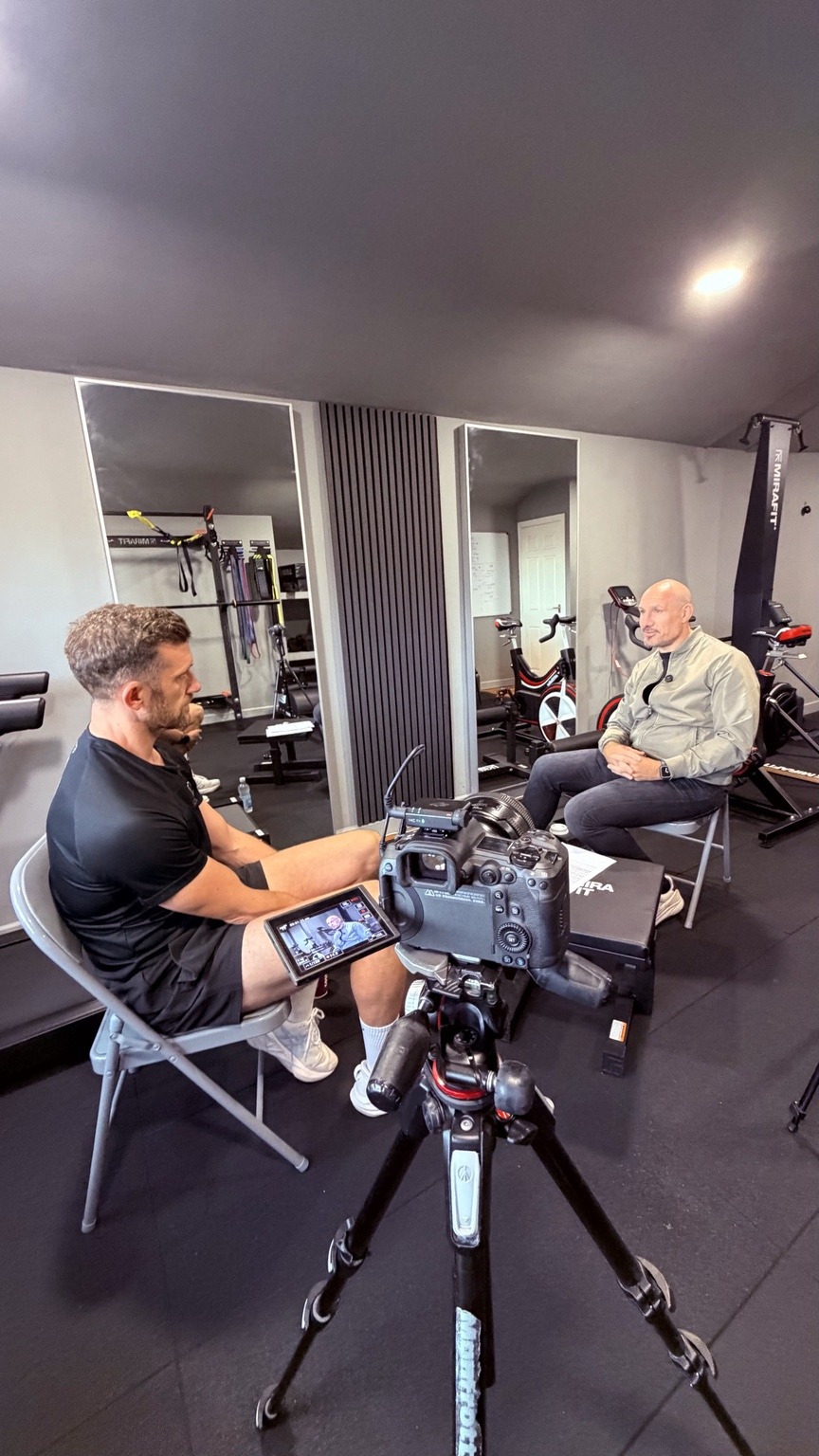
How performance physiotherapist Nathan Mill uses reflection, purpose, relationships and small actions to help people perform at their best.
By Andy Hosgood | Unlocking Human Potential podcast
Elite sport puts performance under a bright light. Results are visible. Pressure is real. Injuries, setbacks and difficult decisions can arrive quickly. Yet the lessons that matter most are not only about training harder or finding a competitive edge. They are about people: how we understand ourselves, how we respond when things go wrong, and how we create the conditions for others to do their best work.
In this episode of Unlocking Human Potential, I speak with Nathan Mill, a physiotherapist and high-performance specialist whose career has included work with St Helens and England Rugby League. Nathan is also the founder of BodyTherapy and is preparing for a new chapter with Hull FC in 2027. We talk about what he has learned from years in elite sport, and what those lessons can offer leaders, teams and anyone trying to grow.
The conversation keeps returning to a simple idea: performance is more sustainable when it is connected to self-awareness, purpose and relationships. Here are some of the lessons that stood out.
Self-leadership begins with knowing what matters
Nathan describes a process of working out what he calls the important thread running through his life. For him, that means being clear about the people and priorities that matter, and using that clarity when making decisions. His family is central to that picture. A career opportunity may be exciting, but excitement alone does not make it the right decision for the whole family.
That kind of clarity is useful well beyond sport. Leaders and business owners face a steady flow of opportunities, demands and distractions. Without a clear sense of what matters, it is easy to confuse movement with progress. A decision can look attractive in isolation and still pull us away from the life or leadership role we want to build.
Knowing yourself does not mean fixing yourself into one description. Nathan is clear that people can flex, learn and change. Self-awareness gives us a starting point; it does not put a ceiling on who we can become. When we understand our values and priorities, we can make more deliberate choices about where to grow and what to protect.
A useful question is: “What matters enough that it should influence my next decision?”
Mistakes become useful when reflection changes what happens next
Nathan is open about making mistakes, both personally and professionally. The value is not in pretending the mistakes were easy or automatically transformative. It comes from looking back, learning what the experience can teach, and using that learning to make a different choice next time.
Reflection is not the same as replaying an event until we feel worse. It is a way to understand what happened, what we contributed, what was outside our control and what we might try differently. That distinction matters for leaders. When a setback becomes a judgement about our identity, we can become defensive or avoid the issue. When it becomes specific information, we can take responsibility and keep learning.
Nathan also emphasises collaboration in decision-making. Some of his best decisions have come from involving people he trusts: family, mentors, colleagues and teams. Other people can see what we miss when we are excited, worried or too close to a decision. Their role is not to take our agency away. It is to help us test our thinking before we commit.
A practical reflection after a difficult moment might ask: What happened? What did I expect? What do I know now that I did not know then? What will I keep, change or ask for help with next time?
The people around us shape how well we perform
Elite performance is often described through individual talent, but the environment around a person matters. Nathan speaks about the importance of trust, mentors and people who care enough to offer honest feedback. High standards and human connection can sit together. In fact, people are more able to hear a challenge when there is respect and trust in the relationship.
Mentors do not need a formal title. They may be a colleague, family member, friend or experienced professional. What matters is understanding how they help: Do they make you think more clearly? Do they challenge assumptions? Do they remind you of your priorities when you are caught up in the next opportunity?
For leaders, this is a reminder to look beyond performance targets and ask what kind of environment people are working in. Do people feel able to speak honestly? Is feedback specific and useful? Are decisions made with the right people in the room? A team’s ability to perform is shaped by everyday interactions, not only by formal strategy.
Self-leadership needs compassion as well as accountability
One of Nathan’s reflections is that the hardest person to lead is yourself. It is a powerful point, especially when responsibility for other people can make it tempting to focus everywhere else first. Self-leadership asks us to notice our own choices, habits and standards.
But self-examination can easily turn into self-criticism. In our conversation, we explore why it matters to look at ourselves through a compassionate lens. Compassion does not mean lowering standards or avoiding responsibility. It means being honest without reducing ourselves to our worst moment. From there, we can ask what a better response would look like and take practical steps towards it.
For a leader, this balance matters. If you are exhausted, disconnected from your values or repeatedly ignoring your own advice, that is useful information. The answer is not to attack yourself. It is to notice the gap, understand what is creating it and choose one change that supports the person and leader you want to be.
Reflection can fit into the life you already have
Nathan does not rely on a perfect calendar block labelled “personal development”. He often finds time to think while training, travelling or driving. These ordinary spaces can help ideas settle and make room for reflection.
He also describes using technology to capture thoughts and bring order to them. The wider lesson is that reflection does not need to be elaborate. A walk, a drive, a voice note or a few lines in a notebook can help us slow down enough to see what we are thinking.
There is an important distinction here: sometimes “I have no time” means “I have prioritised other things”. That is not a reason to feel guilty. It is an invitation to be honest. If something matters, what could move to make room for it? If it does not matter enough to make time, it may be helpful to say that clearly too.
Turn insight into action
Nathan’s advice is practical: review your day, notice where an important activity could fit, take action, then reflect on what happened. It is easy to confuse deciding to act with actually acting. The intention matters, but change begins when we take the first step.
Try this simple sequence:
- Choose one thing you want to make more room for. It could be exercise, learning, preparation, time with someone important or a few minutes to think.
- Look at your day and decide where it could realistically fit.
- Take the first step. Keep it small enough to do.
- Review what helped, what got in the way and what you want to adjust.
This approach is not about squeezing more productivity from every hour. It is about making deliberate choices and learning from the way real life unfolds.
A final thought on potential
Nathan’s story reminds us that human potential is not unlocked through pressure alone. It grows through self-knowledge, effort, trust, honest reflection and a willingness to keep learning. It also depends on remembering what performance is for. For Nathan, helping people and creating the conditions for them to perform at their best remain central to his work.
For anyone leading a team, building a business or navigating a new chapter, the invitation is to look inward with curiosity and outward with care. What matters most? Who helps you see clearly? What have recent setbacks taught you? And what is one action you can take today?
Listen to the full conversation
In this episode of Unlocking Human Potential, Andy Hosgood and Nathan Mill explore self-leadership, learning from mistakes, mentors, trust, reflection, family priorities and the lessons of elite sport.
Find the episode on Apple Podcasts, Spotify and YouTube.
Follow BodyTherapy UK on Instagram and Facebook for more from Nathan’s work.
Frequently asked questions
What does self-leadership mean?
Self-leadership means taking responsibility for understanding your priorities, choices, habits and impact. It includes honest reflection, practical action and the ability to ask for help when you need another perspective.
How can leaders learn from mistakes?
Leaders can review what happened, separate facts from assumptions, consider their own contribution, seek useful feedback and decide what to do differently next time. Reflection is most useful when it leads to a change in behaviour or decision-making.
How can I make time for reflection?
Start with an existing part of your day, such as a walk, commute, training session or quiet few minutes after a meeting. Capture one thought or question and use it to decide what action, if any, is needed.
Can compassion and accountability work together?
Yes. Compassion allows people to face a difficult truth without attacking their identity. Accountability keeps attention on choices, consequences and the next step.